
Movie Review
THE GOOD HALF

by Anwaya Mane
Cast: Nick Jonas, David Arquette, Brittany Snow, Matt Walsh, Alexandra Shipp and Elisabeth Shue // Written by Brett Ryland // Directed by Robert Schwartzman
"Do not go gentle into that good night. Rage, rage against the dying of the light."
These powerful lines by Welsh poet Dylan Thomas from his renowned poem Do Not Go Gentle into That Good Night immediately came to mind as I sat down to write this review, experiencing every ounce of emotion, grief, trauma, and pain deep within me, yet still feeling as though I hadn't truly felt enough.
This past weekend, I chose to watch The Good Half, a modest indie film that explores the universally relatable and often dreaded themes of death, loss, longing, and trauma. While it comes with pure intentions, the question remains: is it really good enough?
The film opens with a young Renn, portrayed by the brilliantly cast Mason Cufari, who bears a striking resemblance to Nick Jonas. The young boy is upset after his mother forgets him at the supermarket, leaving him feeling abandoned. She sincerely apologizes, assuring him that it won’t happen again. However, Renn’s world is abruptly shattered when he receives a phone call from his sister, informing him that their mother has passed away.
Nick Jonas stars as Renn Wheeland, a young writer who returns to his hometown of Cleveland, Ohio, for his mother's funeral. She was Lily Wheeland (Elisabeth Shue), a woman he deeply loved and shared a special bond with. Dreading the emotional confrontation with his family and the painful reality of losing his mother, Renn boards a flight and finds relief in a distraction: Zoey Abbott (Alexandra Shipp), a charming young woman he meets onboard and enjoys chatting with about music and Michael Bay films.
Their conversation provides him with a brief escape from the impending grief and trauma. Renn arrives in Cleveland and asks the cab driver to take the longer route home, postponing the overwhelming grief and pain for a little while longer. However, once he arrives home, Renn is forced to face the painful emotions head-on. We also meet his straight-spoken, no-nonsense sister, Leigh (Brittany Snow), and his easygoing father, Darren (Matt Walsh), whose name, interestingly, mirrors his son’s.
Everyone is struggling to come to terms with the death of Lily, following her lengthy battle with cancer. While the film presents the harsh reality of the present, it also offers glimpses of Lily as the lively, vibrant woman she once was—a devoted wife and mother—before the devastating disease ultimately took her life.
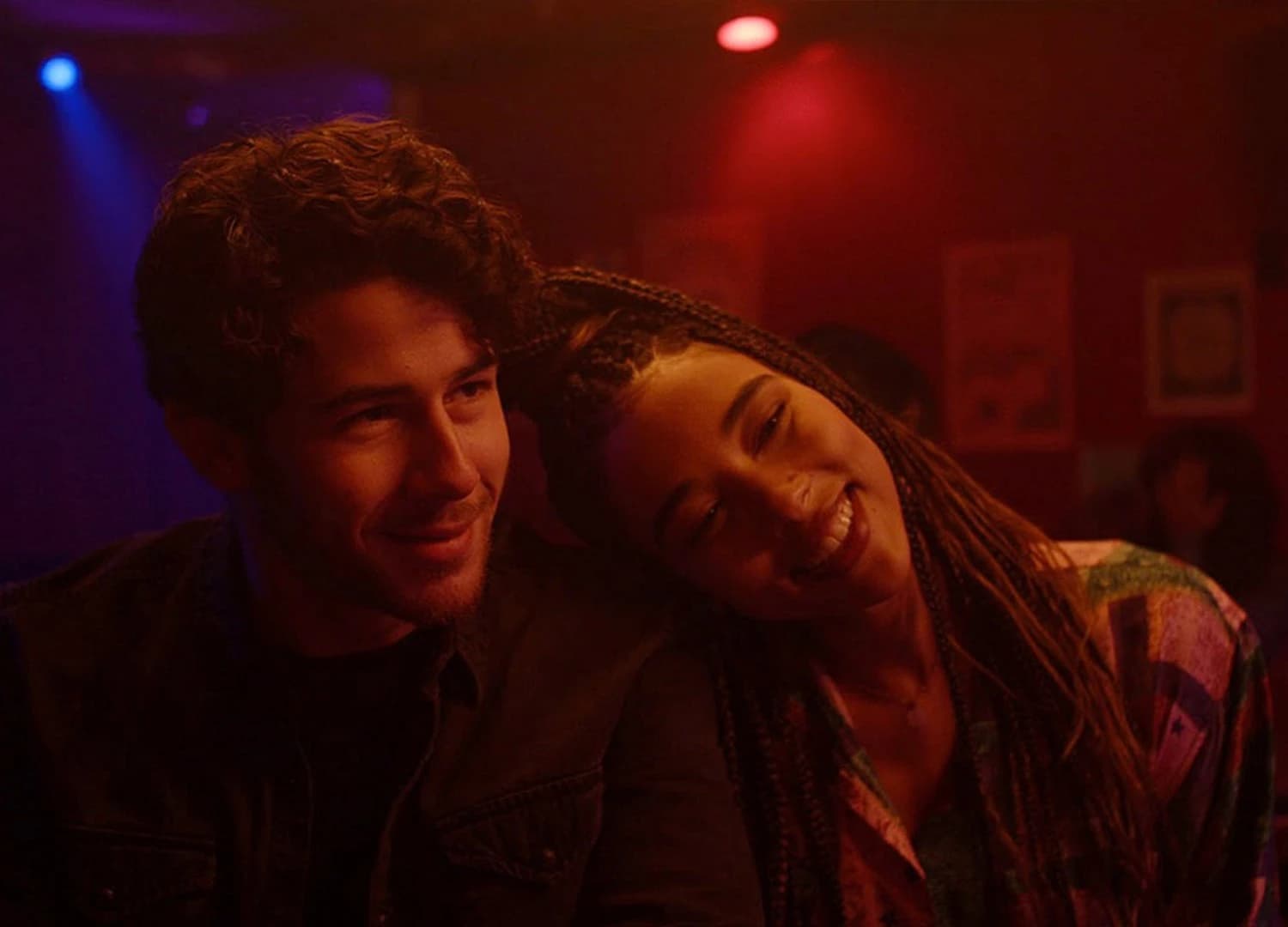
As the family makes funeral arrangements, Renn does everything he can to avoid the preparations. He meets Zoey at a local pub, where they continue their conversation from the flight, sharing drinks, laughing, making Scarface references, and flirting a little. Zoey opens up about being a therapist attending a conference and taking time off after her divorce. Renn finds comfort in her company, but once he returns home, the weight of grief and trauma hits him. Alone in his room, he sits quietly, his face hollow, overwhelmed by the emotions, though the tears have yet to come.
Through flashbacks, we learn that Lily and Darren divorced, and she later married Rick Barona, played by David Arquette. Rick is not particularly well-liked by either Leigh or Darren, but it’s Renn who harbours the strongest dislike for him.
As a viewer, I found it intriguing that we are introduced to Renn through his conversations with Zoey. He comes across as charming, articulate, and witty, much like his late mother, whose vibrant personality we catch glimpses of in flashbacks. However, the Renn we see with his father, sister, stepfather Rick, and other acquaintances is a stark contrast. He’s moody, somewhat irritable, and sarcastic, with quick comebacks for everything— a far cry from the joyful, easygoing version of Renn we witness with Zoey.
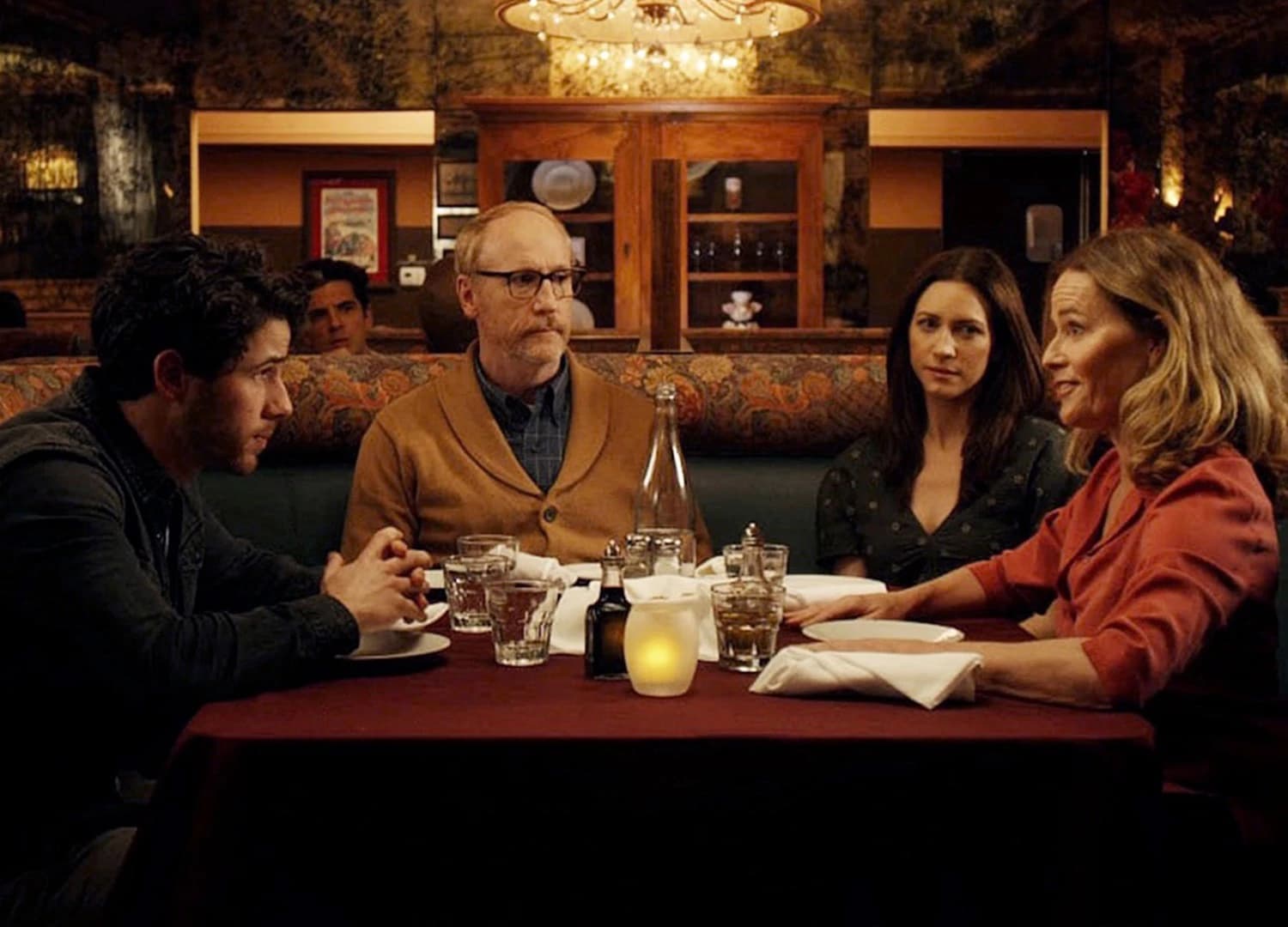
The rest of the film follows the Wheeland family as they prepare for Lily’s funeral, struggling to come to terms with her passing, mourning her absence, and grappling with the void she left in their lives. Renn is consumed by guilt for not having visited his mother during her battle with cancer. She had asked him not to come home, and he had obediently respected her wishes, now regretting that he didn’t get to see her one last time. He believes he should have ignored her request and visited her. He also uncovers details he hadn’t known before, such as the kind of funeral his mother wanted and how she wished to be remembered. This new information leaves him feeling angry and distressed, especially since he wasn’t there with Leigh and Darren when these important decisions were made.
The Good Half carries a simple, slice-of-life indie vibe, yet pulses with a heavy, emotional heart. At just over ninety minutes, it fits the length of a feature film but feels more like someone’s personal journal unfolding on screen, speaking directly to the audience.
The pacing is intentionally slow, as if the makers want to immerse viewers in the agonizing, inescapable discomfort of grief—capturing the heartbreaking pain of losing a loved one.
Nick Jonas delivers a solid performance as Renn Wheeland, especially shining in the lighter moments when he flirts and engages in casual conversations with Zoey, played by the effervescent Alexandra Shipp. Elisabeth Shue, Matt Walsh, and David Arquette all excel in their roles. However, if I had to choose a standout performance, it would be Brittany Snow as Leigh, Renn's sister—the less favored child of their mother. She takes charge of the funeral preparations, manages Renn’s crankiness and outbursts, and anchors the chaotic family dynamic with grace and dignity. While we don’t learn much about Leigh's backstory, small glimpses reveal that, despite knowing she wasn’t her mother’s favorite, she accepts this reality and steps up to support Renn and Darren in their grief, all while striving to keep the peace in the household.
I found myself wondering why the film was titled The Good Half, and the answer emerges in the final 20 minutes. Renn explains that he views the happy moments he shared with his mother as The Good Half, while the grief and trauma of losing her—and adjusting to life without Lily—represent the "bad half." He recalls the supermarket incident from earlier in the film, admitting that he felt hurt and abandoned by Lily. In a quiet, reassuring moment, Leigh tells him that he was indeed their mother’s favorite child, and that he, too, was her "good half," just as she was his. Lily had also shared that she was never part of the supermarket plan, and though it hurt her, she had come to accept it. She confessed that she wouldn’t trade her "half" for anything.
The Good Half touches on themes of death, grief, and loss with sensitivity, but it only skims the surface of these emotions without exploring them in depth. The film’s heart is in the right place, but it lacks the courage to fully confront the darker, more painful aspects of death and grief—the raw, uncomfortable truths that people often avoid, much like Renn does. The climax is strong, with Renn’s poignant speech and the heartfelt conversation he shares with Leigh shortly before an intense confrontation with Rick.
However, it still doesn’t feel as though the grieving characters reach a true catharsis. Perhaps that was the point: to show that grief never truly fades, never fully disappears. It lingers, an ever-present shadow, like the bad half of your good half, never letting go. Forever intertwined, never fully healed.
The Good Half is streaming on Hulu.